
The Music of Reconciliation
We believe music is a bridge. Through song, we invite Canadians to listen, learn, and reflect on our shared history and future. Our vision is to foster meaningful dialogue and relationship-building between Indigenous and non-Indigenous peoples across the land.

The Stories Behind the Music

This song is a profound reflection on the history of residential schools and the journey toward healing. The album art, created by Vincent Design, who also designed the Survivors’ Flag for the National Centre for Truth and Reconciliation, features eagle feathers to honour the children who never returned home. This imagery invites us to confront the ongoing truths of residential schools, remember the children and the resilience of Survivors, and recognize the importance of commemoration, remembrance, and continued learning on the journey toward reconciliation.
Bring the Children Home

Rooted in the belief that treaties are living relationships, this song emphasizes peace, friendship, and respect. The cover art, another significant creation by Vincent Design, connects to the Treaty of Niagara and the Covenant Chain. It serves as a visual reminder that treaties are active bonds requiring mutual respect, responsibility, and constant renewal. It calls upon everyone in Canada to recognize their role in upholding these foundational, living relationships between Indigenous and non-Indigenous peoples.
We Are Treaty People
We are all Treaty People
Treaties are not just historical documents; they are living relationships between peoples. We believe that everyone living in Canada has a relationship to treaties and a responsibility to learn about them. Through music, we invite you to listen, reflect, and build better relationships with your neighbours.
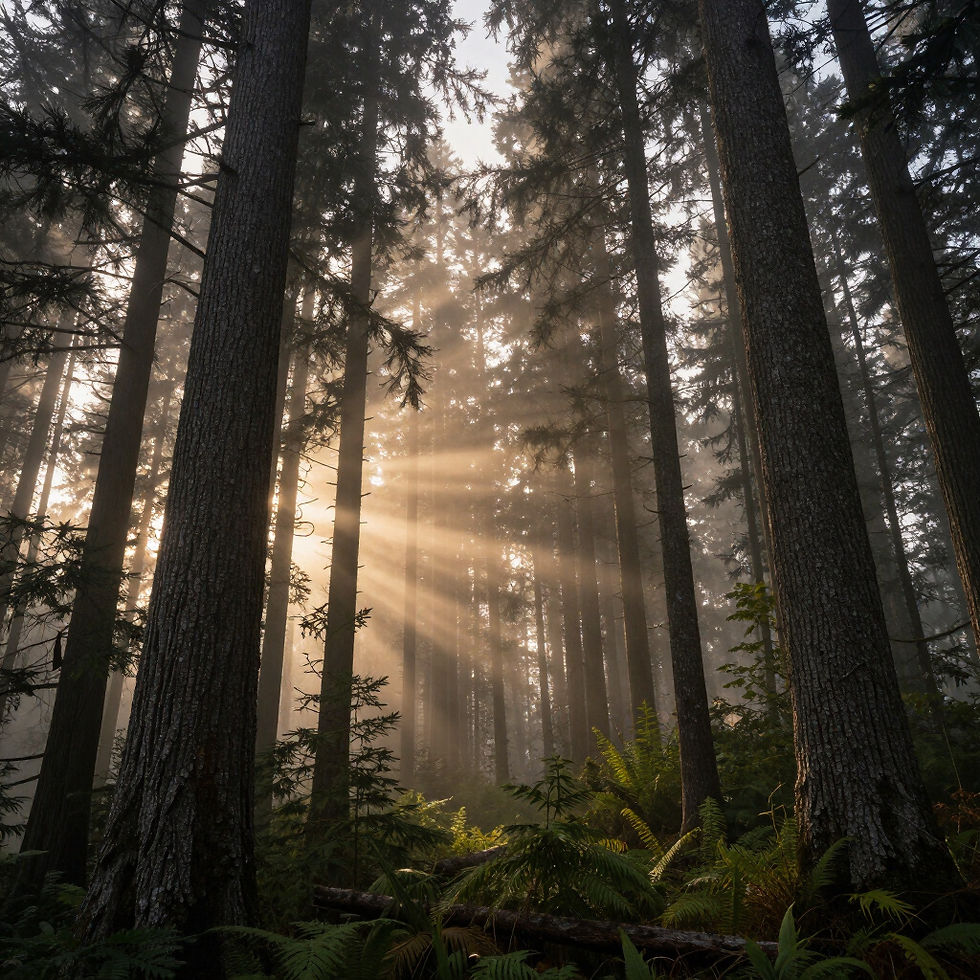
Truth and Remembrance
We honor the resilience of Survivors and the profound journey toward healing. This is a space for reflection and remembrance, where music serves as a bridge to understanding the history of residential schools and the ongoing path toward reconciliation.
Artists & Collaborators

Michael Etherington
Project Lead & Creator
Michael is a distinguished advocate for Indigenous relations, known for fostering cultural understanding.

Vern Cheechoo
Indigenous Artist & Mentor
Vern is a respected Cree singer-songwriter and cultural leader from northern Ontario, sharing truth.

Deanne Rose Moore
Vocalist & Collaborator
Deanne is a powerful vocalist whose performances carry deep emotion, centering Indigenous storytelling.

Bill Bell
Music Director & Band Leader
Bill is a veteran guitarist and songwriter. He brings his studio craft to projects across all genres.
Beyond the Music
Reconciliation can take many forms — through music, art, storytelling, education and relationships.

Melissa Morrow
Melissa Morrow is a non-Indigenous artist and educator who focuses on using visual storytelling to explore cross-cultural relationships and the shared history of Canada. Her work documentation seeks to create spaces for reflection and dialogue on treaty responsibilities.
We Are All Treaty People
Rooted in the belief that treaties are living relationships, this collaboration between Indigenous speaker and educator Michael Etherington and non-Indigenous artist Melissa Morrow focuses on shared responsibility. Through visual art and storytelling, the project invites all people in Canada to recognize their active role in upholding the foundational bonds of peace, friendship, and respect that treaties represent.
What will be your RECONCILI-ACTION?

Learning & Resources
Music can open a door to learning. These resources offer opportunities to explore the history, relationships and responsibilities connected to reconciliation in Canada.


Listen. Share. Learn. Act.
Join the Journey
Get in Touch
Thank you for taking the time to learn about Songs 4 Reconciliation.
If the music, the stories or the message of this project connects with you, I would be glad to hear from you.
Whether you are interested in sharing the songs, learning more about the project, discussing an interview or performance, or simply connecting around the message of reconciliation, please reach out.
Music can open hearts, begin conversations and bring people together.
Wachay & Miigwech,
Michael Etherington, Walks With A Feather (Spirit Name)
Project Lead, Songs 4 Reconciliation